Delve Into the Domain of Fair Trade Tea: Remarkable Brews That Enable Sustainable Practices
Fair Trade tea constitutes a smooth combination of superior standards and ethics. Each cup presents a unique flavor experience while advancing environmentally responsible agricultural methods. This strategy not only improves the tea experience but also empowers marginalized farmers. Exploring its origins and authentication procedures exposes profound significance of importance. As consumers become more conscious of their selections, the impact of Fair Trade tea surpasses palate. What dwells beneath the surface of these preferences?
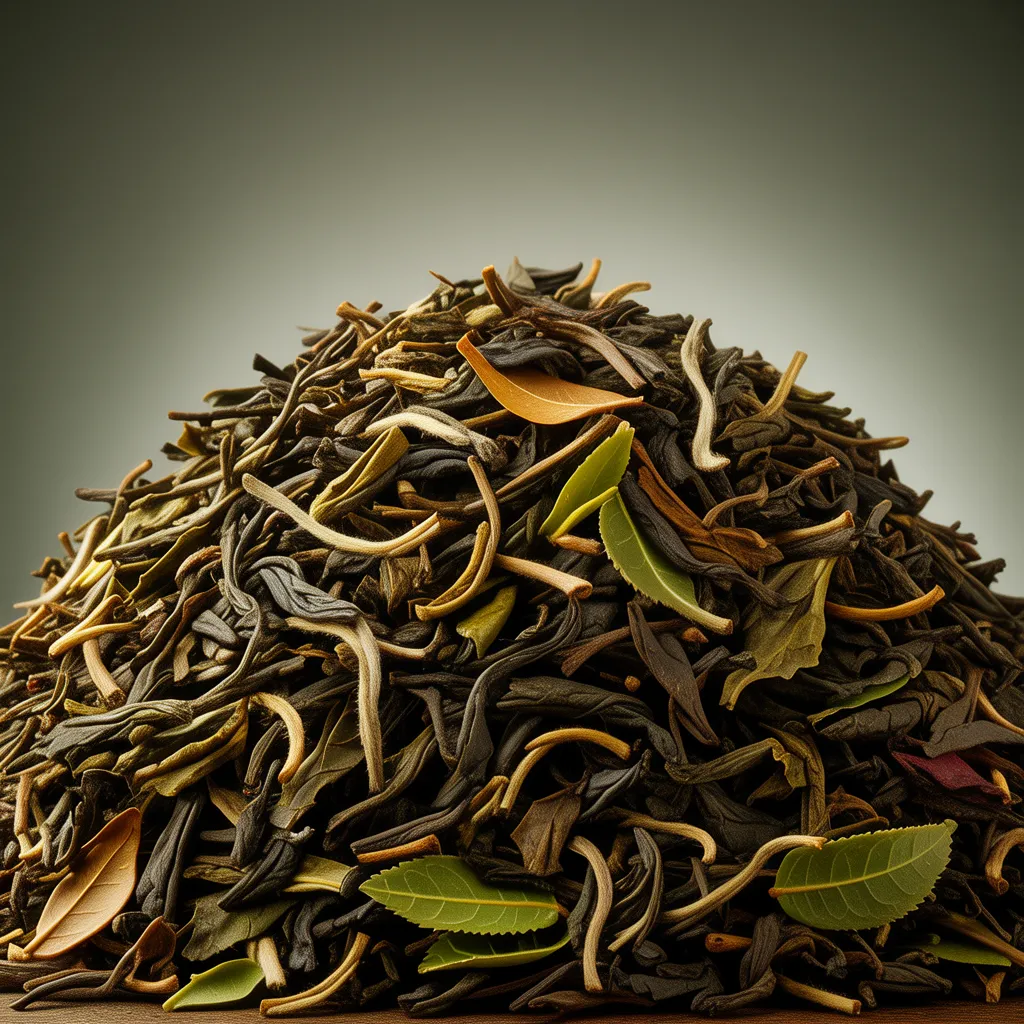
Discover the Origins of Fair Trade Tea
Fair Trade tea derives from the social and economic drives geared toward bettering the livelihoods of sidelined farmers. Taking shape in the late 20th century, this project strived to tackle unfairness in global trade, in particular in transitional economies where tea is often grown. The movement gained traction as purchasers became increasingly aware of the harsh conditions faced by grassroots growers, encompassing inequitable prices and mistreatment by large corporations.
Using collaborative frameworks, Fair Trade intended to strengthen these farmers, ensuring they received fair compensation and support for environmentally responsible agriculture. The movement also concentrated on promoting ecological stewardship, encouraging organic farming and biodiversity. As awareness grew, Fair Trade tea functioned as a representation of responsible purchasing, linking consumers directly with the origins of their beverages. By selecting Fair Trade tea, individuals contribute to a larger goal of social justice and economic equity, fostering a more sustainable future for tea-growing communities.
Comprehend Fair Trade Certification for sustainable practices
Recognizing Fair Trade certification is necessary to understanding how sustainable practices are upheld within the tea industry. This certification confirms that producers receive fair wages and work under safe conditions, which directly nurtures community development. Fair Trade standards endorse environmentally sustainable farming methods, reducing the use of harmful chemicals and encouraging biodiversity.
Certification also promotes clarity in the supply chain, allowing customers to track their tea back to its source. By adhering to these guidelines, farms engage in methods that professional guide safeguard environmental assets and sustain local environments. Additionally, Fair Trade organizations often provide educational resources and instruction to agricultural producers, enabling them to enhance their production methods and financial security.
Ultimately, Fair Trade certification not only enhances the standard of tea but also matches purchasing decisions with moral and sustainable values, making it an crucial aspect of the tea industry's dedication to community welfare and environmental stewardship.
Browse Top Selection of Fair Trade Tea
While many tea devotees savor the deep tastes and fragrances of multiple tea options, studying the top selections of Fair Trade tea indicates a more profound pledge to ethical sourcing and sustainability. Some favored options comprise Fair Trade Assam, recognized for its powerful, malted character, and Fair Trade Darjeeling, often known as the "Champagne of teas" for its refined botanical undertones. Another important variety is Fair Trade Earl Grey, combined with bergamot, delivering a distinctive orange essence.
In addition, Fair Trade Green Tea, celebrated for its stimulating qualities and health benefits, is increasingly embraced among health-conscious consumers. Herbal blends, such as Fair Trade Chamomile and Peppermint, also stand out, providing soothing and calming effects. Each of these varieties not only provides exceptional flavor but also backs farmers and communities working for better livelihoods, making them a responsible choice for tea lovers seeking quality and ethical assurance.
Brewing Fair Trade Tea: Recommendations for a Flawless Cup
To brew the ideal cup of Fair Trade tea, attention to detail is important, as the best practices can highlight the tea's distinctive tastes and scents. The first step is that water quality is key; using purified water provides a crisp taste that allows the tea's features to stand out. Also, the water temperature is important; particular heat levels are necessary for various tea types; boiling temperature is used for black tea and cooler temperatures work best for green or herbal teas.
Then, the steeping time should be precisely maintained. Prolonged steeping can cause a bitter flavor, while understeeping may not unlock the full flavor profile. A general guideline is 3-5 minutes for black tea and 2-3 minutes for green tea.
To finish, employing the right tea-to-water ratio enhances the flavor; one teaspoon of loose tea per cup is a suitable starting point. By following these guidelines, tea enthusiasts can deeply enjoy the great selection of Fair Trade tea.
Environmental Benefits of Fair Trade Tea
Brewing Fair Trade tea not only improves the tea experience but also promotes sustainable agricultural practices that benefit the ecosystem. Fair Trade accreditation encourages farmers to use natural cultivation techniques, which minimize the dependence on harmful pesticides and fertilizers. This method promotes biodiversity, aiding in the protection of local ecosystems and safeguard wildlife habitats.
Furthermore, Fair Trade approaches often highlight soil health and water conservation, ensuring that tea cultivation does not drain essential resources. By assisting small-scale farmers, Fair Trade also fosters agroforestry, which merges tea cultivation with other crops and trees, further boosting environmental resilience.
Moreover, Fair Trade tea frequently includes environmentally friendly packaging and delivery systems, minimizing the carbon footprint associated with its distribution. Overall, choosing Fair Trade tea demonstrates a deliberate commitment to foster a more sustainable farming approach that respects both the Earth and its inhabitants.

The Way Your Tea Selection Boosts Communities Worldwide
Opting for Fair Trade tea assists international communities by guaranteeing farmers receive just compensation and improved working conditions. This pledge confirms that tea cultivators can protect their livelihoods while contributing to their households and regional markets. By selecting Fair Trade tea, buyers support the establishment of important local services, including learning and health services.
Fair Trade accreditation promotes ethical practices, requiring businesses to follow standards that emphasize workers' rights and environmental sustainability. As a consequence, growers are motivated to cultivate high-quality tea, which not only enhances their income but also fosters pride in their work.
Furthermore, the immediate trading relationships established through Fair Trade eliminate exploitative middlemen, allowing farmers to connect with customers worldwide. This transparency cultivates trust and promotes a global appreciation for the cultural importance of tea. Ultimately, each cup of Fair Trade tea acts as a reminder of the beneficial effect individuals can have on worldwide populations through conscious purchasing.
Popular Inquiries Received
Where Can I Discover Fair Trade Tea Products and How Do I Confirm Them in Retail Locations?
To recognize fair trade tea products in stores, one should seek out certification labels, such as Fair Trade Certified or Rainforest Alliance. Additionally, investigating companies dedicated to responsible practices can help with making informed choices.
Do Fair Trade Tea Products Offer Any Health Benefits?
Fair trade tea may supply diverse health perks, featuring antioxidants that support heart health, optimized digestion, and enhanced cognitive focus. In addition, environmentally conscious sourcing methods facilitate sustainable farming, ultimately promoting a healthier ecosystem and improved societal well-being.
Where Can I Locate Ethically Sourced Tea in Online Marketplaces?
Yes, fair trade tea is readily found in internet retailers. Numerous retailers offer a wide selection of brands and blends, guaranteeing consumers can easily access ethically sourced options that promote both sustainability and fair labor practices.
What Effect Does Fair Trade Tea Have on Local Economies?
Fair trade tea positively impacts local economies by offering farmers equitable compensation, fostering community development, and encouraging sustainable farming practices. This support enhances livelihoods, strengthens financial security, and enables communities to invest in education and healthcare.
What Methods Should I Employ to Preserve Fair Trade Tea for Optimal Freshness?
To boost quality, fair trade tea should be placed in an airtight container, away from pungent smells, moisture, and light. Storing it in a cool, dark place helps maintain its scent and taste over time.